
The WiM initiative started in 2018 by Dr. Elena Gómez-Díaz and Dr. Joanne Power. The community was established to help address gender inequalities by empowering, connecting and supporting women and other discriminated genders working in the field of malaria research.

How is WiM developing?
In the last 2 years WiM has grown in membership, begun working with stakeholders in academia (e.g. Pan African Mosquito Control Association), leaders in science communication and advocacy organisations (e.g. Keystone and Malaria Eradication Scientific Alliance, Malaria No More), as well as running series of professional skills, career development training courses, and a very successful inaugural conference [1].
This increase in scope of activities, global recognition, and financial undertakings has put WiM in a position to evolve from a web presence and mailing list into an organisation, which is currently ‘hosted’ by the University of Edinburgh, UK. As such, WiM is galvanising its members to lead the development of an overhauled database and website, broaden the scope of its social media, raise funds, and organise a bi-annual conference. Notably, the conference will always be online because this is the best way to maximise inclusivity and the diversity of topics, career stages, and geographical representation of speakers and delegates. Further, removing the need for travel mitigates against the challenges of attending conferences for those with caring responsibilities (which are most often women). This also keeps running costs low, allowing WiM to support participation of delegates from LMICs and invest in other activities for its members.
With the occasion of the first WiM Malaria Conference, Sarah Reece joined the WiM committee and became a co-coordinator together with Elena. A steering committee was formed around this time, with the additions of Katherine Collins and Joanne Power. Recently the WiM community changed its structure with the addition of a new sub-team, communications, led by Thorey K. Jonsdottir.
[1] Women in Malaria 2021: A Conference Premier (2021). Trends in Parasitology, doi:10.1016/j.pt.2021.04.001.
Meet the WiM Committee

Dr. Elena Gómez-Díaz
WiM Steering Committee
Tenured Scientist at the Spanish National Research Council (CSIC)
Elena leads the Malaria Epigenomics Laboratory of the Institute of Parasitology and Biomedicine López-Neyra, in Granada (Spain) (www.gomezdiazlab.wordpress.com). The Gómez-Díaz Lab is interested in understanding the epigenetics of adaptation in parasites. That is, how epigenetic processes regulate gene expression in response to changing environments, and how those processes impact phenotypic variation and adaptation in parasites. The lab primarily works with malaria parasites and their mosquito vectors because they are a hallmark example of rapid adaptation. In parallel to her scientific activities Elena is involved in several gender equality initiatives. Actually, she is part of the Women in Science Unit of the Ministry of Science and Innovation of Spain. Elena is mum of Adrián, enjoys nature and travel, and has absolute passion for Africa.

Professor Sarah Reece
WiM Steering Committee
Chair of Evolutionary Parasitology at the University of Edinburgh, UK
Research in Sarah’s laboratory asks the question “What makes malaria parasites so successful?”. By uncovering the strategies that malaria parasites have evolved to cope with the challenges of their lifestyle and exploit the opportunities it brings, the team hope to provide insight into how infectious diseases can be better treated. Sarah is the mum of Sam and Beth, many pets, and lives in the Scottish hills where she is an enthusiastic gardener and amateur moth surveyor. In addition to her research, Sarah is also involved in several initiatives to support the career development of early career researchers in the field of parasitology. Lab website: https://thereecelab.com

Dr. Katharine Collins
WiM Steering Committee
Program Officer in Global Health R&D at Open Philanthropy
Katharine is a Program Officer in Global Health R&D at Open Philanthropy, leading investments in malaria. She joined Open Phil in May 2023 after 15 years in malaria research. She began her career at the Jenner Institute, Oxford, working on clinical trials to assess malaria vaccine safety, efficacy, and immune markers of protection. Katharine earned her PhD from the University of Oxford, where she developed and evaluated the R21 malaria vaccine, now being rolled out in Africa. Later whilst working at QIMR Berghofer in Australia, and Radboudumc in the Netherlands, she pioneered the controlled human malaria infection transmission (CHMI-trans) models, demonstrating for the first time the safe, reproducible induction of P. falciparum and P. vivax gametocytes in CHMI study participants at densities infectious to mosquitoes. Her work has also included establishing malaria transmission facilities, evaluating antimalarial activity in early Phase 1/2a CHMI studies, establishing the CHMI trans model in Mali, and coordinating field studies in Burkina Faso to evaluate malaria transmission, community-based interventions, and transmission-blocking immunity and mosquitocidal compounds.

Dr. Thorey Kolbrun Jonsdottir
Chair of the WiM Communication Committee
Research Fellow at LSHTM
Thorey is a research fellow in Rob Moon’s lab at London School of Hygiene and Tropical Medicine (LSHTM), UK. Thorey is currently studying invasion biology of Plasmodium knowlesi.

Dr. Sophia Raine C. Hernandez
WiM Communication/Media
Post doctoral research fellow at the University of Dundee
Sophia is starting a postdoc in the lab of Mattie Pawlowic at University of Dundee. She did her PhD on Plasmodium berghei, characterising exported proteins in the blood stage and will now work on studying Cryptosporidium oocyst biology.
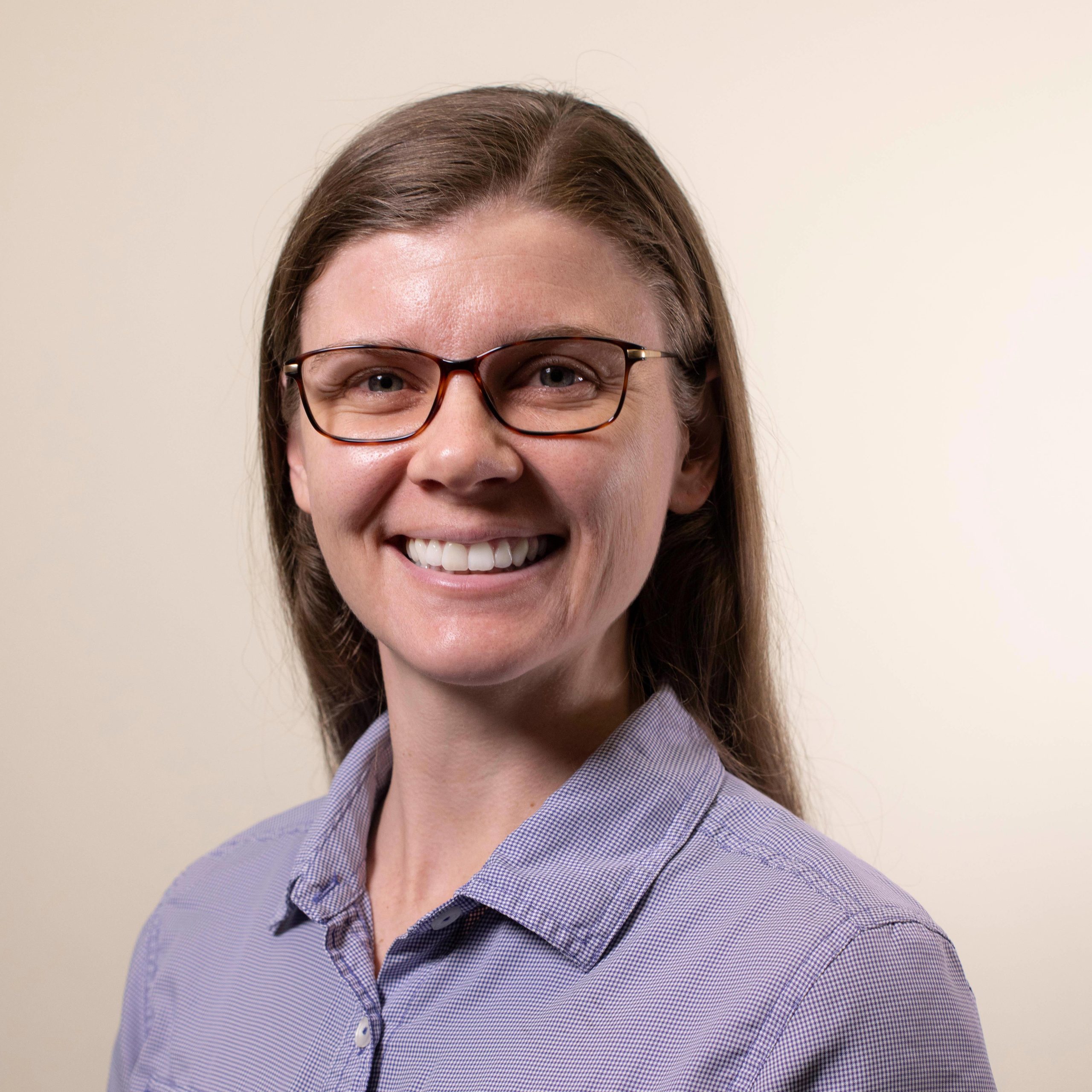
Dr. Brook Jensen
WiM Communication/Database
Academic Associate at ASU
Brook is currently an academic associate at Arizona State University (ASU). She received her PhD in Evolutionary Biology while working in Dr. Silvie Huijben’s lab at ASU. Her research focussed on the evolutionary dynamics of insecticide resistance in mosquitoes.

Cynthia Eze
WiM Social Media Manager
Biomedical Scientist & Digital Health Communicator
Chinemerem Cynthia Eze is a biomedical scientist and digital health communicator cucrrently working with the State Ministry of Health, Abia State, Nigeria. She also serves as a patient liason officer, supporting community engagement and improving access to healthcare services. Her work focuses on public health priorities, particularly infectious diseases such as malaria, which remains endemic in Nigeria.
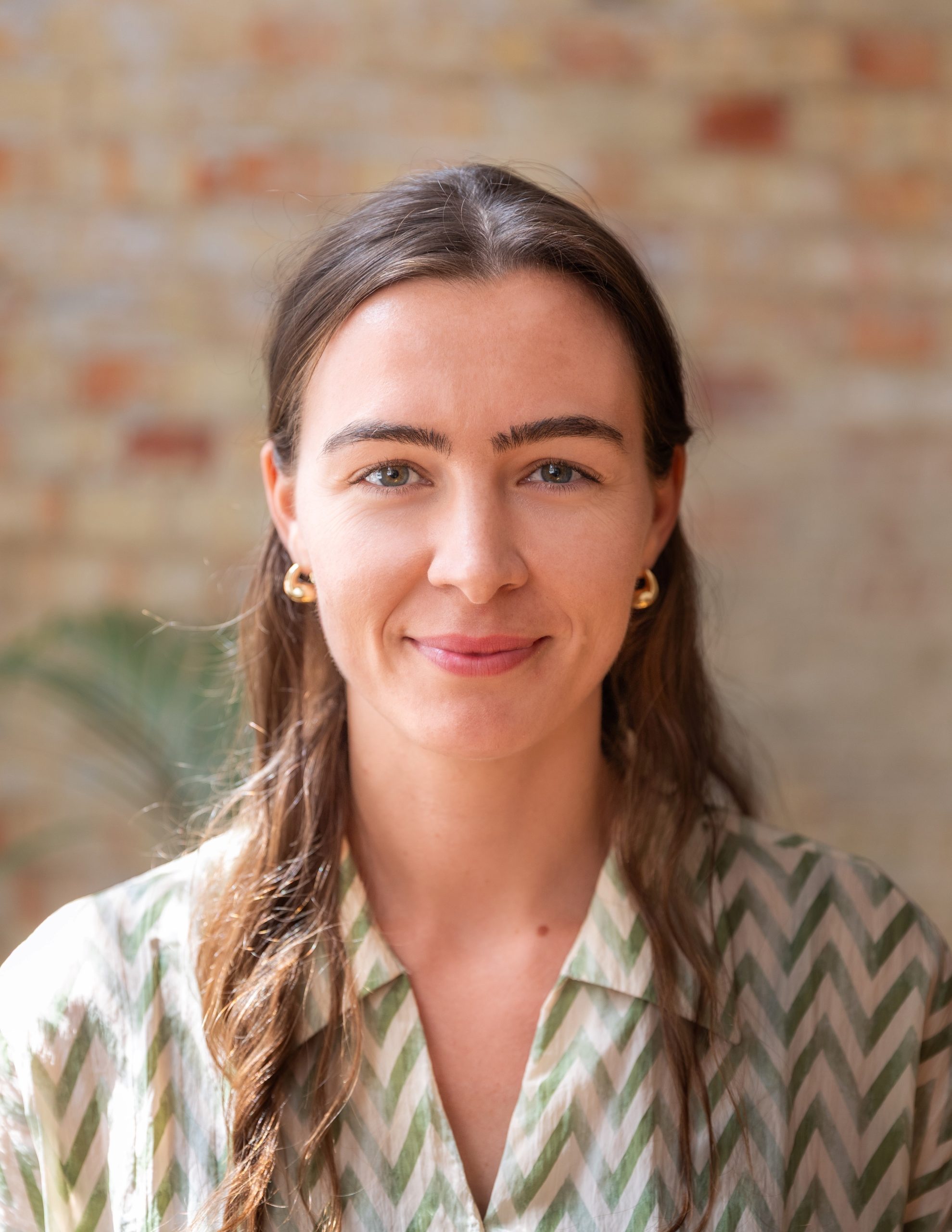
Dr. Leen N. Vanheer
WiM Newsletter Content Creator and Manager
Research Fellow at LSHTM
Leen is a Research Fellow at the London School of Hygiene and Tropical Medicine, where she also completed her PhD. Her research focuses on malaria genomics to investigate drug resistance and human-to-mosquito transmission dynamics in Plasmodium falciparum natural infections. Prior to her PhD, she trained as a medical doctor in Belgium and worked as a researcher at Weill Cornell Medicine in New York City, testing the activity of epigenetic inhibitors against cultured malaria and babesia parasites. Outside of the office, she enjoys crafts, exploring London and baking pies.
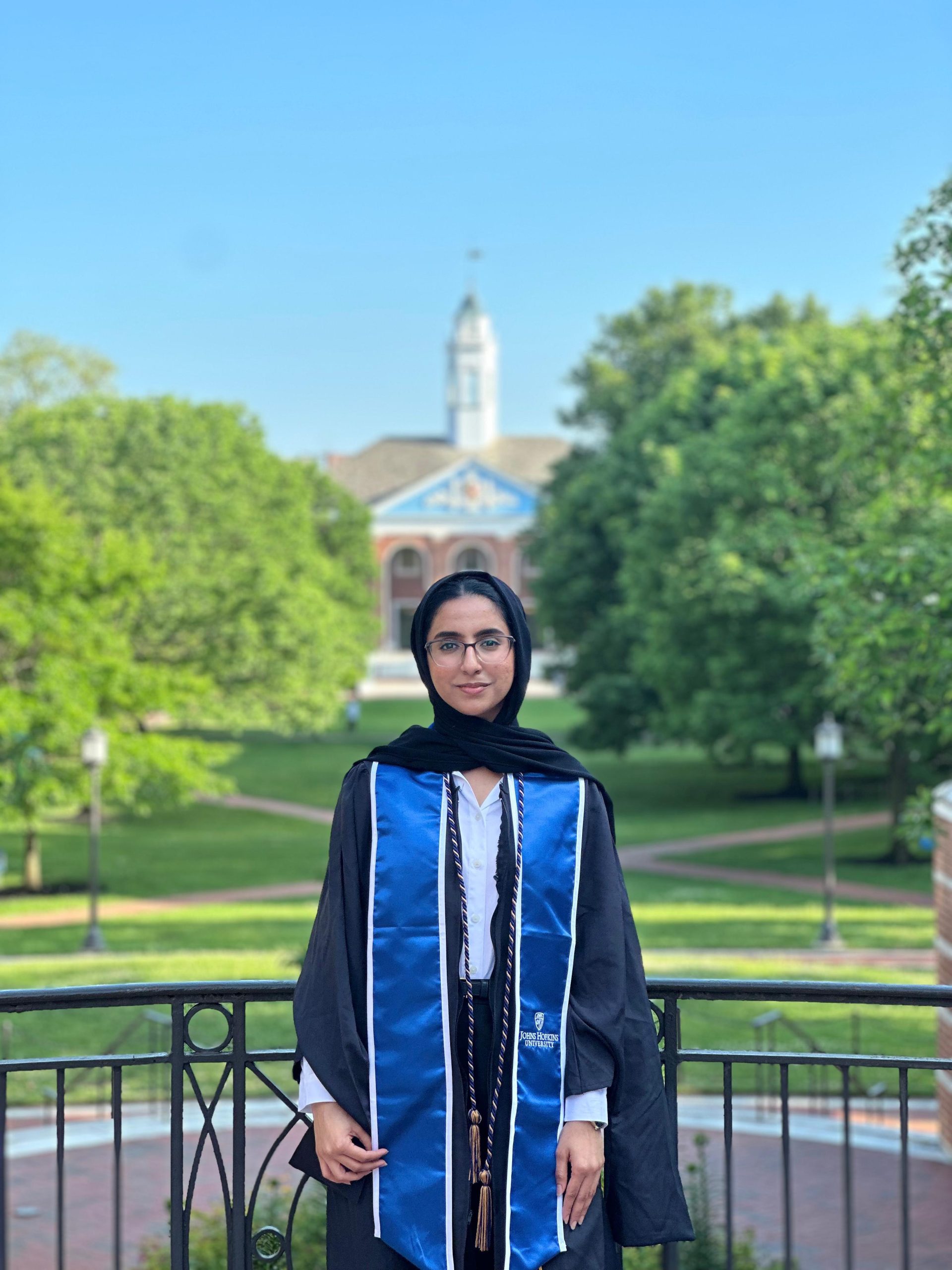
Mahnoor Abdullah
WiM Newsletter Content Scout
Molecular Microbiology and Immunology Researcher at Johns Hopkins
Mahnoor is a molecular microbiology and immunology researcher at the Johns Hopkins Bloomberg School of Public Health, where she combines bench research with problem-solving to generate mechanistic insights and actionable outcomes. She is interested in the malaria parasite and its interactions with antimalarial drugs and the mosquito vector. She has worked with David Sullivan to investigate the stage-specific window of action of tafenoquine and lumefantrine in blood-stage malaria, and is currently working in George Dimopoulos’s laboratory to study the mosquito immune system using transgenic approaches to understand how specific immune genes influence infection dynamics within the vector. Beyond the lab, she has been involved in science communication and outreach in both Pakistan and Baltimore, and is passionate about expanding access to quality STEM education for girls.
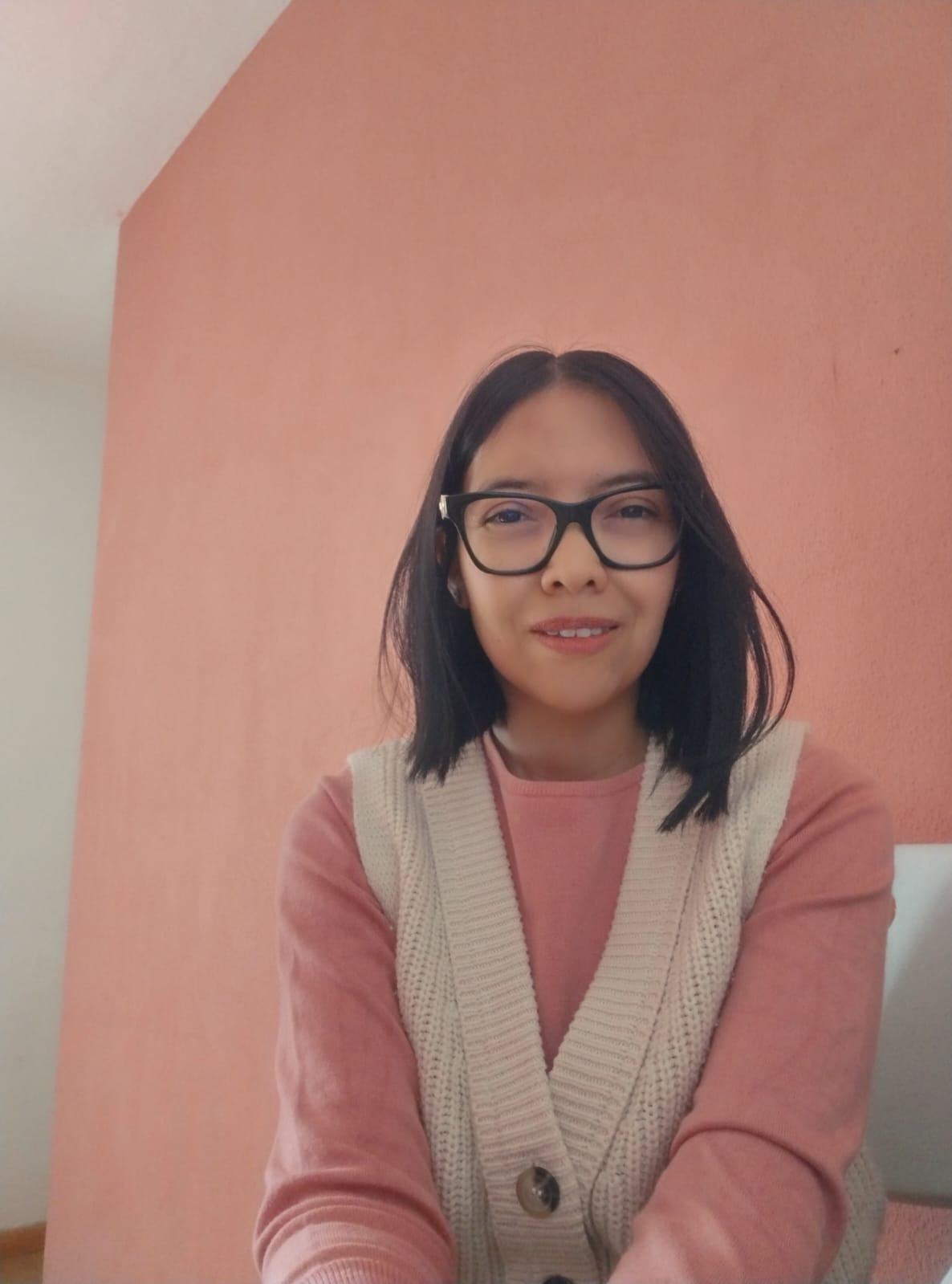
Grecia H. Díaz
WiM Newsletter Content Scout
Grecia recently finished her PhD in Infectious Diseases at the National Institute of Public Health (INSP) in Mexico. She worked on mosquito biology and host pathogen interactions. Her research focused on gene regulation and the analysis of chromatin remodelling genes in Aedes aegypti during viral infection, using experimental and bioinformatics approaches. She has worked with both Anopheles and Aedes mosquitoes, including studies on neuroendocrine signalling and antimicrobial responses in Anopheles.
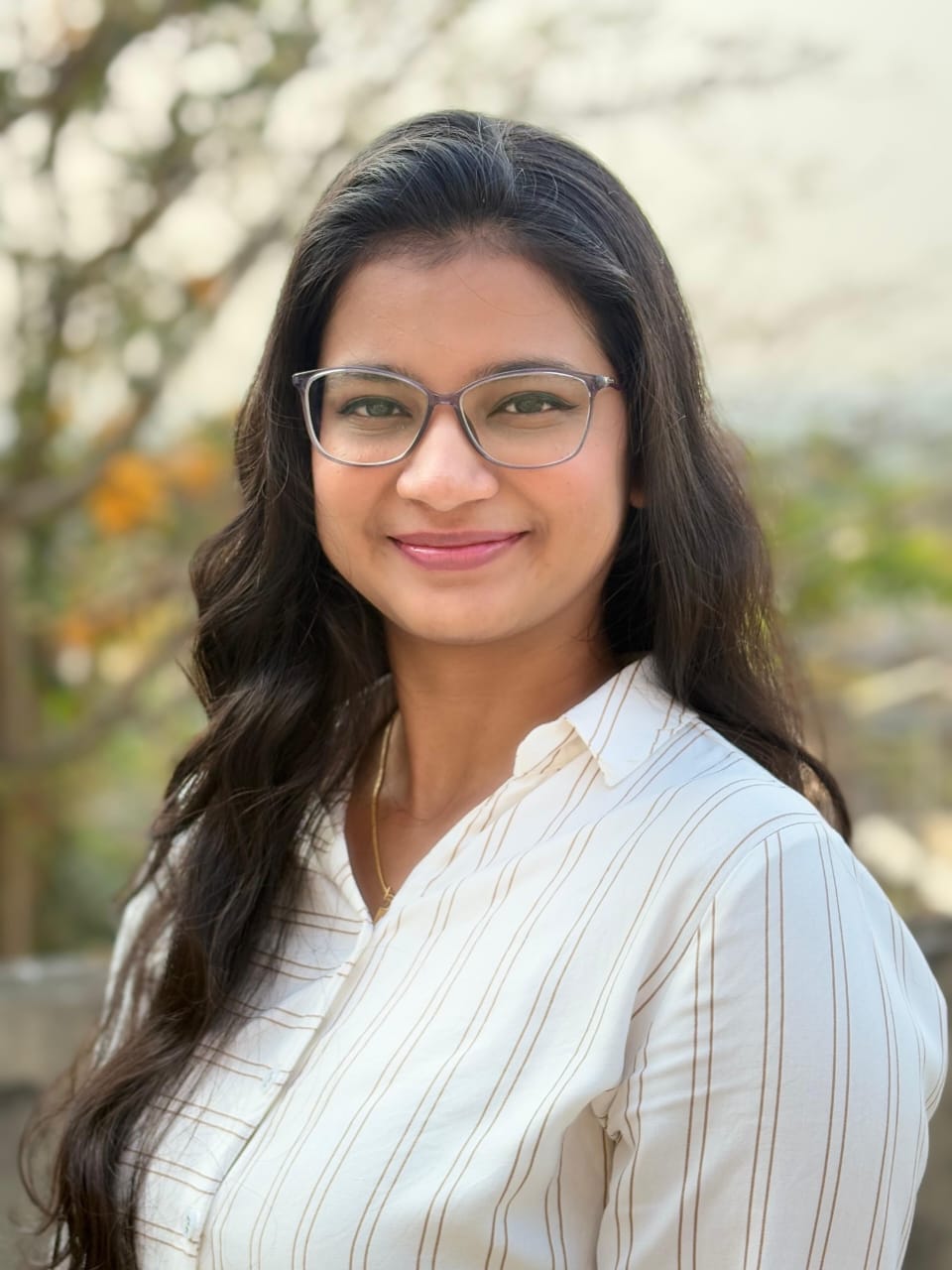
Varijakshi Gutthedhar
WiM Newsletter Content Scout
PhD Researcher at Manipal School of Life Sciences, Manipal Academy of Higher Education, India
Varijakshi is a PhD researcher studying malaria molecular genetics in a region nearing elimination. Her work explores host DNA methylation, gametocyte gene expression, and antimalarial drug resistance in Plasmodium falciparum and Plasmodium vivax in southern Karnataka, India.
WiM is hosted by the The University of Edinburgh, UK. The University of Edinburgh is a charitable body, registered in Scotland, with registration number SC005336, VAT Registration Number GB 592 9507 00, and is acknowledged by the UK authorities as a “Recognised body” which has been granted degree awarding powers.
Unless explicitly stated otherwise, all material is copyright © WiM 2023